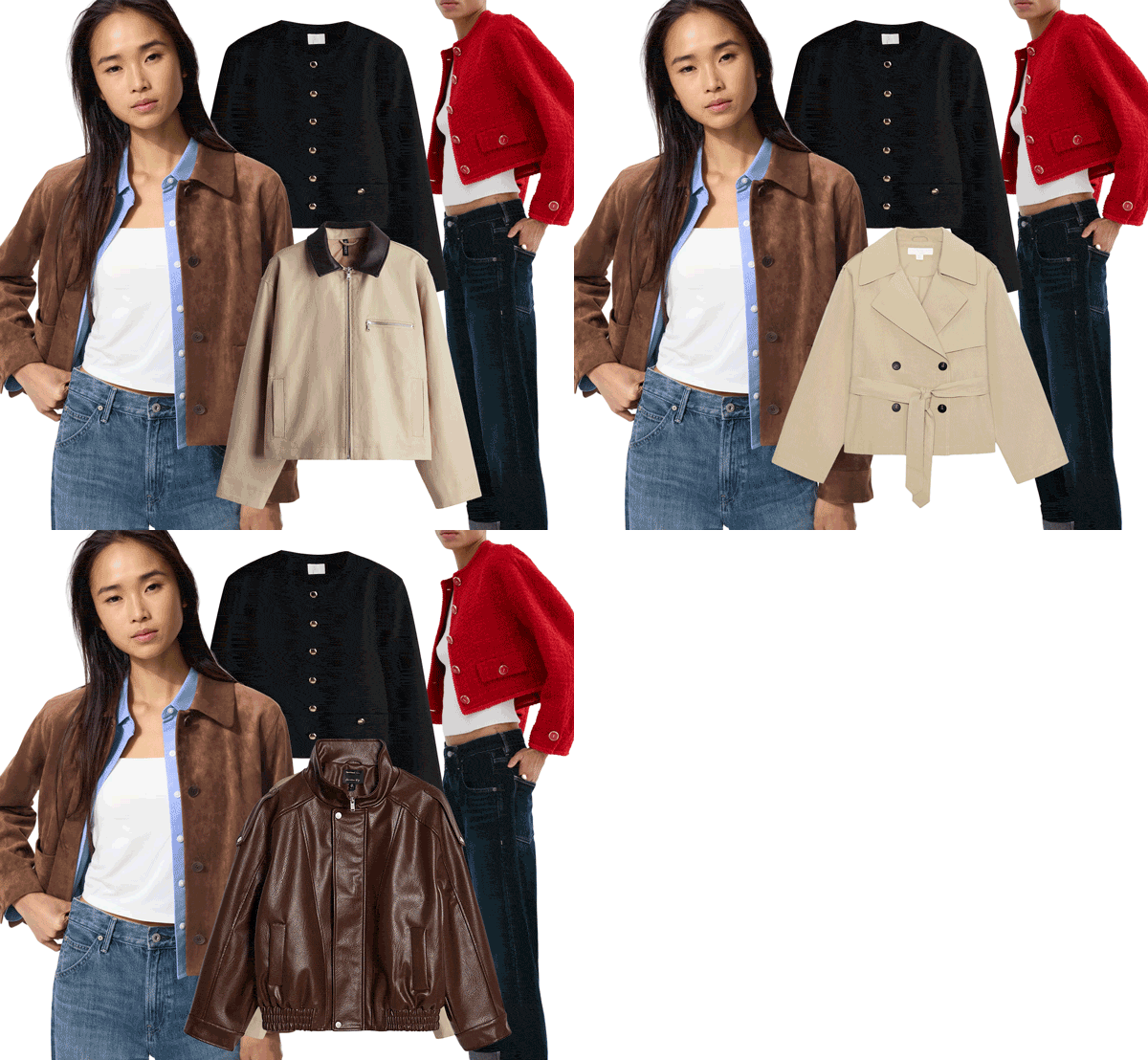
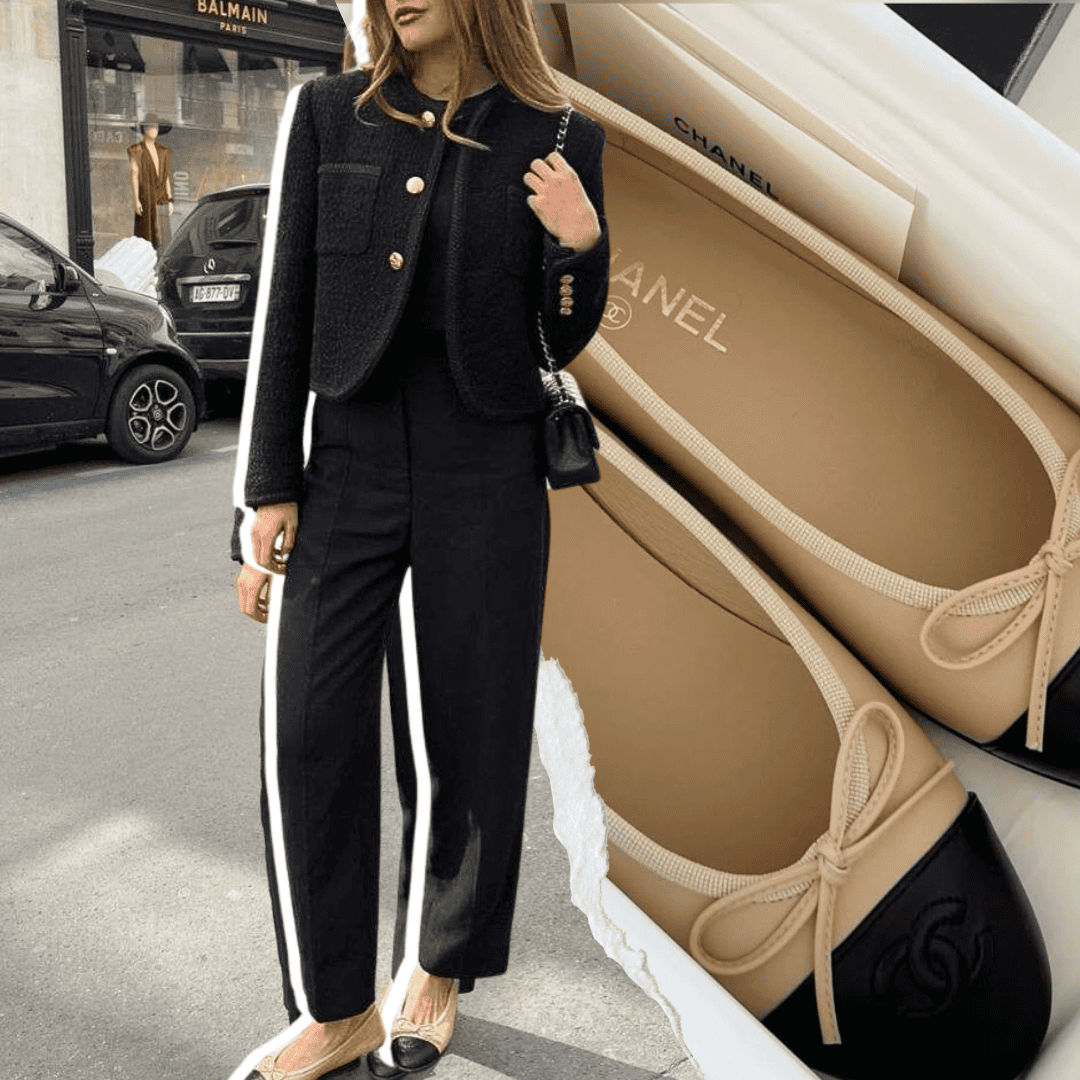
When temperatures drop, the biggest question my friends ask me is what to wear in cold weather to look chic without feeling bulky or boring? As a fashion stylist with 10+ years experience, I’m going to show you the best way to dress in cold weather in a way that balances warmth, practicality, and style.
Table of Contents
Believe me when I tell you, with the right fabrics, thoughtful layering, and clean silhouettes, it’s entirely possible to stay warm and still look chic in cold weather. This guide breaks down exactly what works, from winter wardrobe essentials to smart layering techniques, so you can build outfits that feel polished, effortless, and genuinely wearable all season long.

What Counts as “Cold Weather”?
Cold can mean anything from a crisp winter morning to genuinely freezing conditions. Let’s break this down so it makes it much easier for you to dress well in cold weather without over- or under-layering.

How To Dress For Cold Temperates:
- Mild cold (10–5°C / 50–40°F) is that in-between weather where it’s chilly but still manageable. This is when light layering works best — think knitwear, tailored trousers, and a structured coat.
- Cold weather (5–0°C / 40–32°F) is where smart layering really matters. You’ll choose fabrics like wool and cashmere (essentials), and your outerwear does most of the heavy lifting. This is where I will show you how to look chic in cold weather without sacrificing style.
- Freezing weather (0°C and below) is all about insulating base layers, warm knits, and protective outerwear which are non-negotiable, however silhouette and fabric choice still matter. I’ll show you how.

5 Must-Have Fabrics That You Should Wear In Winter
If you want to become an expert at dressing well in cold weather while looking chic, understand that fabric matters far more than thickness. Bulky layers don’t automatically mean warmth, the right materials do. Here are the 5 fabrics you should wear in winter to stay warm & chic:
- Wool is one of the best fabrics for cold weather because it insulates while still allowing the body to breathe. Different types of wool: such as lambswool, boiled wool, and fine wool blends — trap heat efficiently without feeling heavy, which is why tailored wool coats and trousers always look refined
- Cashmere is my go-to for chic cold-weather outfits. It’s lightweight yet incredibly warm, making it perfect for layering without adding volume. Cashmere knits instantly elevate an outfit while keeping you comfortable.
- Silk is an underrated cold-weather fabric, especially for base layers. Worn under knitwear or tailoring, it helps retain warmth while staying incredibly thin and breathable.
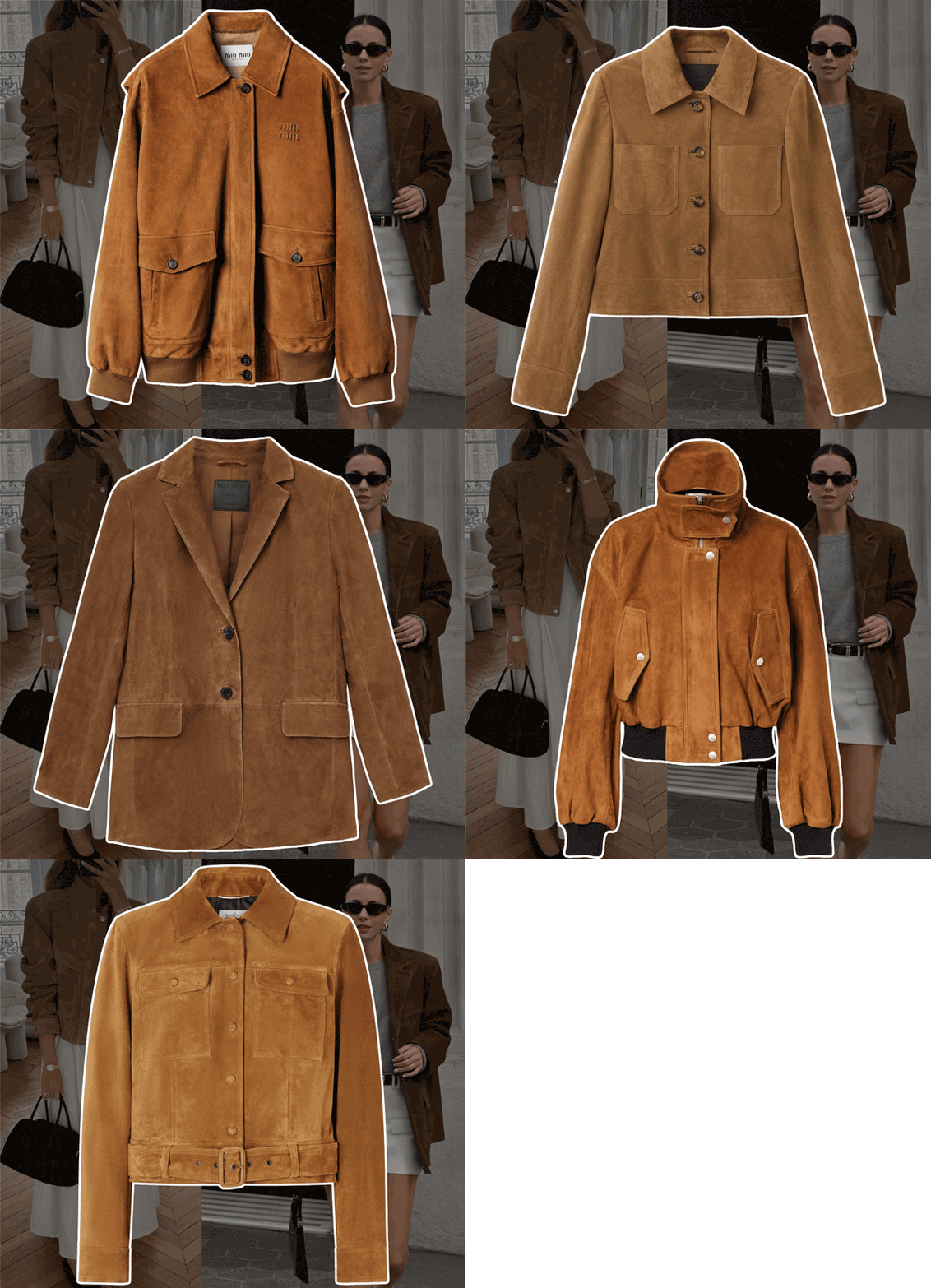
- Leather works exceptionally well in cold weather because it blocks wind while adding structure. Leather coats, trousers, or accessories bring warmth and instantly sharpen an outfit, making cold-weather dressing feel intentional and elevated.
- Thermal blends are lightweight base-layer fabrics made from heat-retaining fibres like polyester and elastane, designed to trap body warmth close to the skin while staying thin and breathable.
5 Best Fabrics to Wear in Winter That Keep You Warm
- Wool – Naturally insulating and breathable, keeps heat in without overheating.
- Cashmere – Lightweight but extremely warm, perfect for chic winter layering.
- Silk – Ideal as a base layer, traps warmth while staying thin and breathable.
- Leather – Acts as a wind barrier, locking in body heat when layered properly.
- Thermal blends (polyester, elastane, etc.) – Designed to trap heat and stretch comfortably for everyday wear.
How to Layer Properly in Cold Weather
When people struggle with how to dress in cold weather, it’s almost always a layering issue. I’ve found that the most warm but stylish outfits come from layering with intention, not piling clothes on. The goal is simple: trap heat, allow movement, and keep your silhouette clean.
The base layer is what sits closest to the skin, and it’s the most important part of staying warm without looking heavy. I always opt for thermal tops, fine long-sleeve layers, or bodysuits because they retain warmth while staying slim and breathable. A good base layer should feel almost invisible — if it’s doing its job properly, you won’t need excessive layers on top.
Mid Layer: Insulation
The mid layer is where warmth is built. This is where knits, sweaters, and cardigans come in. I look for high-quality fabrics that insulate without weighing the outfit down, as this layer determines how polished your look feels indoors and outdoors. A well-fitted knit instantly makes cold-weather dressing feel intentional rather than purely practical.
Outer Layer: Protection
The outer layer is what shields you from wind, rain, and low temperatures, so structure matters. Coats, wool jackets, and longline silhouettes are my go-to because they provide coverage while keeping outfits sleek. A longer coat in particular pulls the entire look together and is key to looking chic in cold weather, even when you’re heavily layered underneath.
Chic Cold-Weather Wardrobe Essentials
There are 5 chic cold-weather wardrobe essentials:
- Scarves
- Long tailored coat
- Wool trousers
- High-quality knitwear
- Boots
When it comes to dressing well in cold weather, I’ve learned that having the right essentials matters because a chic winter wardrobe is built around timeless pieces that layer beautifully, work across multiple outfits, and deliver real cost-per-wear value.
1. Long Tailored Coat
A long tailored coat is the foundation of any cold-weather wardrobe. It instantly elevates even the simplest outfit and creates a clean, elongated silhouette that looks polished no matter what you’re wearing underneath. Neutral shades like black, grey, camel, or navy always feel the most refined.
2. Wool Trousers
Wool trousers are one of my winter staples because they’re warm, structured, and endlessly versatile. They work just as well with knitwear during the day as they do with sharper layers in the evening, making them a smart investment piece.
3. High Quality Knits
High-quality knitwear is essential for staying warm without compromising style. Fine knits and classic silhouettes layer easily and look elegant on their own, especially in neutral tones that mix effortlessly with the rest of your wardrobe.
4. A Pair Of Boots (ankle, knee high, heeled or flat)
A good pair of boots anchors every cold-weather outfit. Whether flat or heeled, boots add warmth, structure, and practicality, while still keeping outfits looking intentional and put-together.
5. Scarves (cashmere or wool)
Finally, scarves are both functional and stylish. A well-chosen scarf adds warmth, texture, and polish, often becoming the finishing touch that makes a winter outfit feel complete.
How to Look Chic in Cold Weather
One thing I’ve consistently noticed is that the most chic winter outfits are also the simplest. Winter has a way of making excess very obvious, which is why pared-back looks tend to feel more expensive. Clean silhouettes, thoughtful layering, and quality fabrics always outperform trend-heavy outfits in cold weather.
I lean into clean lines over trends because structure instantly makes an outfit look intentional. Tailored coats, straight-leg trousers, and minimal knits create polished winter outfits without needing extra styling. The focus is on fit and proportion rather than statement pieces.
Colour plays a huge role in creating an effortless winter style. Neutral palettes — especially black, grey, camel, and cream — layer beautifully and naturally elevate an outfit. These shades photograph well, mix easily, and always feel timeless, which is why they dominate the most refined winter wardrobes.
How to Look Chic in Cold Weather (step by step)
- Stick to a neutral colour palette (black, grey, camel, cream)
- Choose clean, tailored silhouettes over oversized or trend-led pieces
- Layer strategically to stay warm without adding bulk
- Invest in quality fabrics rather than multiple thin layers
- Let one strong outerwear piece lead the outfit
- Keep accessories minimal and intentional
- Prioritise fit — even winter layers should feel structured
- Repeat outfit formulas that already work instead of over-styling
Shoes & Accessories That Keep You Warm (But Stylish)
Choosing the right shoes and accessories makes a huge difference when deciding what to wear in cold weather.
Should I Wear Boots or Flats In Winter?
Boots vs flats comes down to weather and outfit balance. Boots are ideal for colder or wetter days because they offer warmth, coverage, and structure. However, on dry winter days, well-chosen flats can look just as chic, especially when paired with tailored trousers or long coats.
Can I Wear Loafers and Ballet Flats In Winter?
Loafers and ballet flats work beautifully in winter when styled intentionally. I tend to wear them with wool trousers, socks or tights, and longer outer layers to keep outfits looking seasonally appropriate while still refined. They’re a great option for achieving effortless winter style without defaulting to boots every day.
What Are The Best Accessories For Winter Dressing?
When it comes to scarves, gloves, and hats, less is more. Lightweight wool or cashmere scarves add warmth without bulk, while leather gloves finish an outfit without overwhelming it.
Cold Weather Outfit Ideas
These outfit formulas are designed to make getting dressed in cold weather feel easy, polished, and practical, without overthinking it.
Work Winter Outfit
A long tailored coat layered over a fine knit or blouse, paired with wool trousers and boots or loafers. Keep the colour palette neutral for a clean, professional look that feels warm, structured, and effortless.
Event Winter Outfit
A sleek coat worn over a dress or tailored separates, finished with boots or refined flats. Clean lines, minimal accessories, and quality fabrics keep the outfit elevated while still appropriate for colder temperatures.
Dinner Winter Outfit
A chic knit paired with tailored trousers or a skirt, styled with a statement coat and elegant footwear. This is where texture matters — soft knits and structured outerwear create a polished, evening-appropriate winter look.
Weekend Winter Outfit
A relaxed knit layered with a long coat, straight-leg trousers or jeans, and comfortable boots or flats. This formula feels warm and practical while still looking put-together and intentional.
Common Cold-Weather Style Mistakes to Avoid
- Over-layering without structure, which adds bulk and hides shape
- Ignoring fit and relying on oversized pieces from head to toe
- Choosing thick but low-quality fabrics that look heavy without providing warmth
- Wearing too many trends at once instead of timeless silhouettes
- Neglecting proportions, especially with coats that are too short or shapeless
Dressing well in cold weather doesn’t require more clothes — it requires better choices. Once you understand how to layer properly, choose the right fabrics, and rely on timeless silhouettes, staying warm and looking chic becomes effortless.
Written by Benita Elmedia Fashion Editor at Surge of Style
This article contains affiliate links. If you purchase through my links, I may earn a commission at no extra cost to you. Prices correct at time of publication.